
How to Stay Focused in a World Full of Distractions

DeepWork
ProductivityTips
MindfulLiving
ImproveFocus
FocusMode
MasterYourMind
TrainYourBrain
Learn how to stay focused in today’s distraction-filled world with science-backed strategies. This guide explores digital, mental, and lifestyle techniques to boost your concentration
Introduction: Why Is Staying Focused So Hard Today?
We live in an era of constant interruptions. The average person checks their phone 96 times a day about once every 10 minutes (Asurion, 2024). With work notifications, social media, instant messaging, and 24/7 news cycles, our attention is under siege.
According to RescueTime’s 2024 focus report:
- Most professionals get interrupted every 3 to 5 minutes
- The average uninterrupted work session lasts just 11 minutes
- People spend over 4.5 hours a day on their smartphones
This "attention economy" rewards distraction, not deep work. That’s why building and protecting your focus has become a superpower crucial for productivity, creativity, and mental clarity.
🔍 1. Understand the Science Behind Focus
focus
To strengthen focus, you must first understand how it works:
What Is Focus?
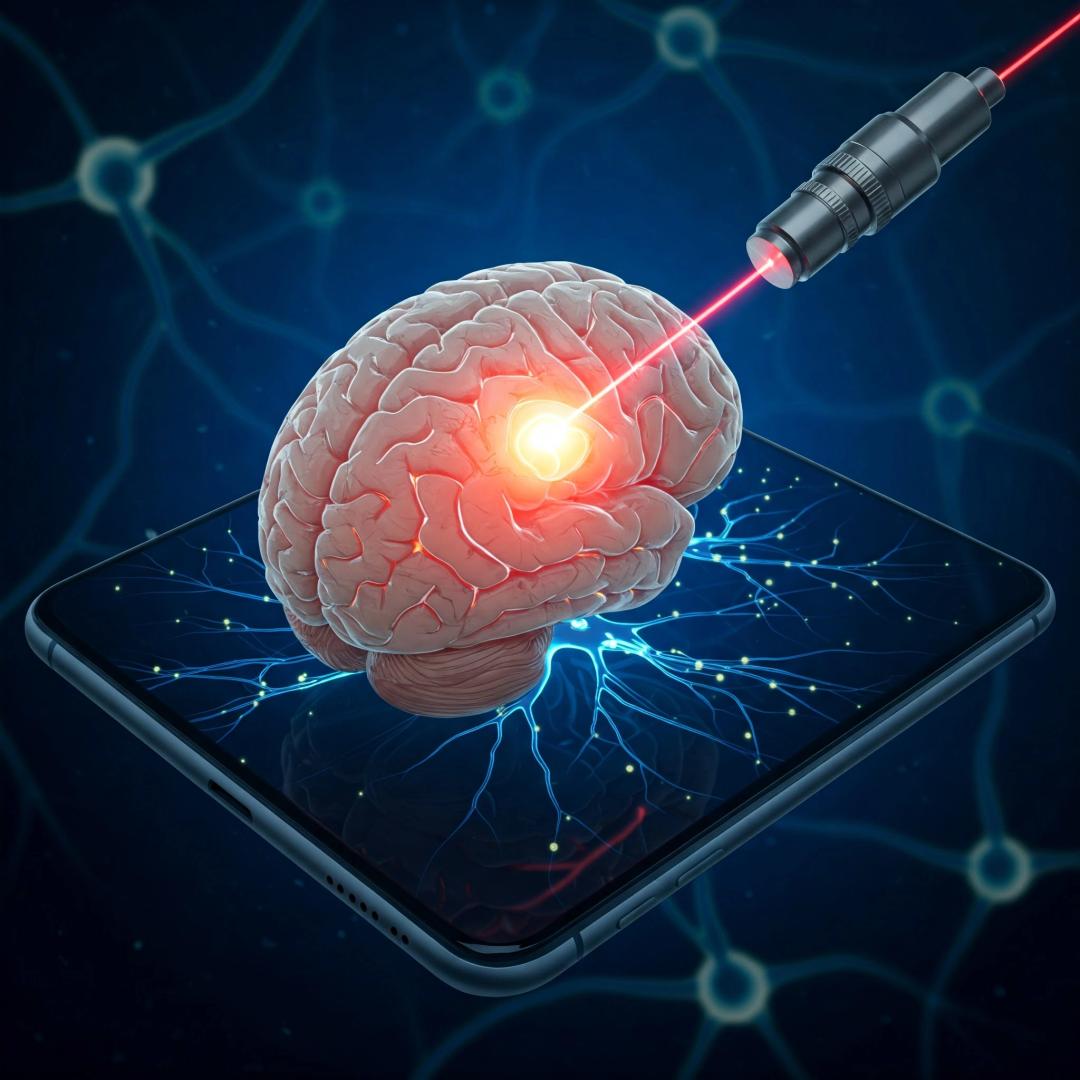
Focus is the brain’s executive function in action. It's about filtering out irrelevant stimuli and directing mental energy toward a task. It's powered by two key systems:
- The Prefrontal Cortex: Manages decision-making and attention control
- The Reticular Activating System (RAS): Filters out unimportant stimuli
⚠️ The Brain’s Modern-Day Enemies:
- Dopamine Addiction: Constant pings from apps release dopamine, conditioning us to seek distractions
- Decision Fatigue: Too many micro-decisions drain our willpower early in the day
- Information Overload: An average person processes 74 GB of data daily (University of California, 2024)
⏳ The Shrinking Attention Span
In 2024, studies showed that the average attention span dropped to 8.25 seconds less than that of a goldfish (Microsoft Research). This isn’t about intelligence it’s about overwhelm.
🧩 2. Identify Your Personal Distractions and Understand What Distractions Really Are
distruction
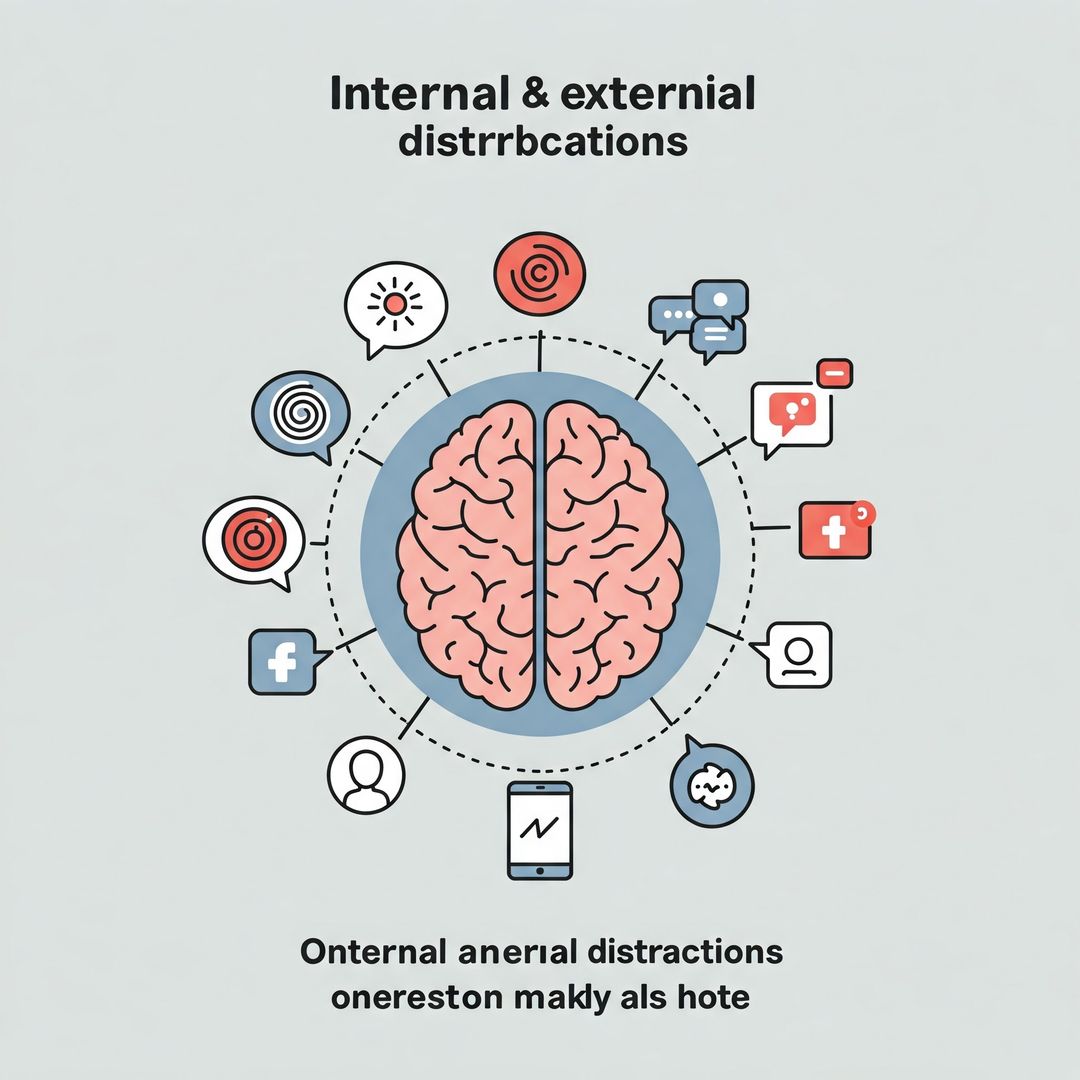
📲 External Distractions:
- Smartphone notifications (over 100 per day, on average)
- Open-plan offices and background chatter
- Social media and emails (FOMO-driven checking)
🧠 Internal Distractions:
- Anxiety and mental clutter
- Sleep deprivation and fatigue
- Overthinking or boredom
✅ Ask yourself:
- Am I using my phone to avoid hard tasks?
- Do I feel restless or mentally drained before starting work?
- Do I procrastinate by staying “busy” instead of being productive?
Awareness is the first step to managing distraction.
📅 3. Time Blocking & Pomodoro Technique
time
🧱 Time Blocking (Used by Elon Musk & Cal Newport)
- Plan each hour of your day with intention
- Batch similar tasks together to reduce switching
Example:
- 9:00–10:30 → Deep Work (no distractions)
- 10:30–10:45 → Break
- 10:45–12:00 → Meetings or collaboration
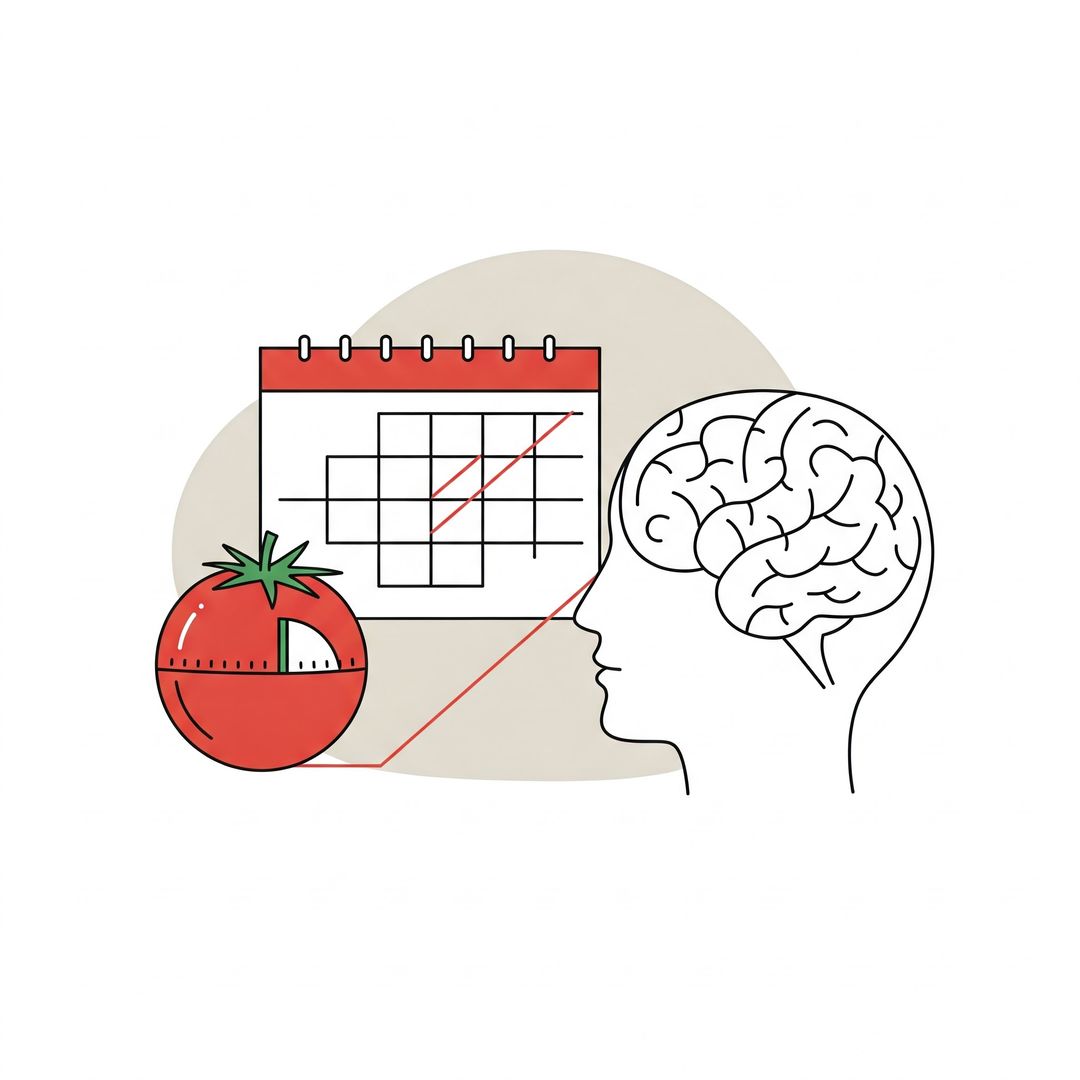
⏳ Pomodoro Technique (Backed by neuroscience)
- Work for 25 minutes
- Take a 5-minute break
- After 4 Pomodoros, take a 15–30 minute rest
➡️ Helps sustain mental energy and reduce cognitive burnout.
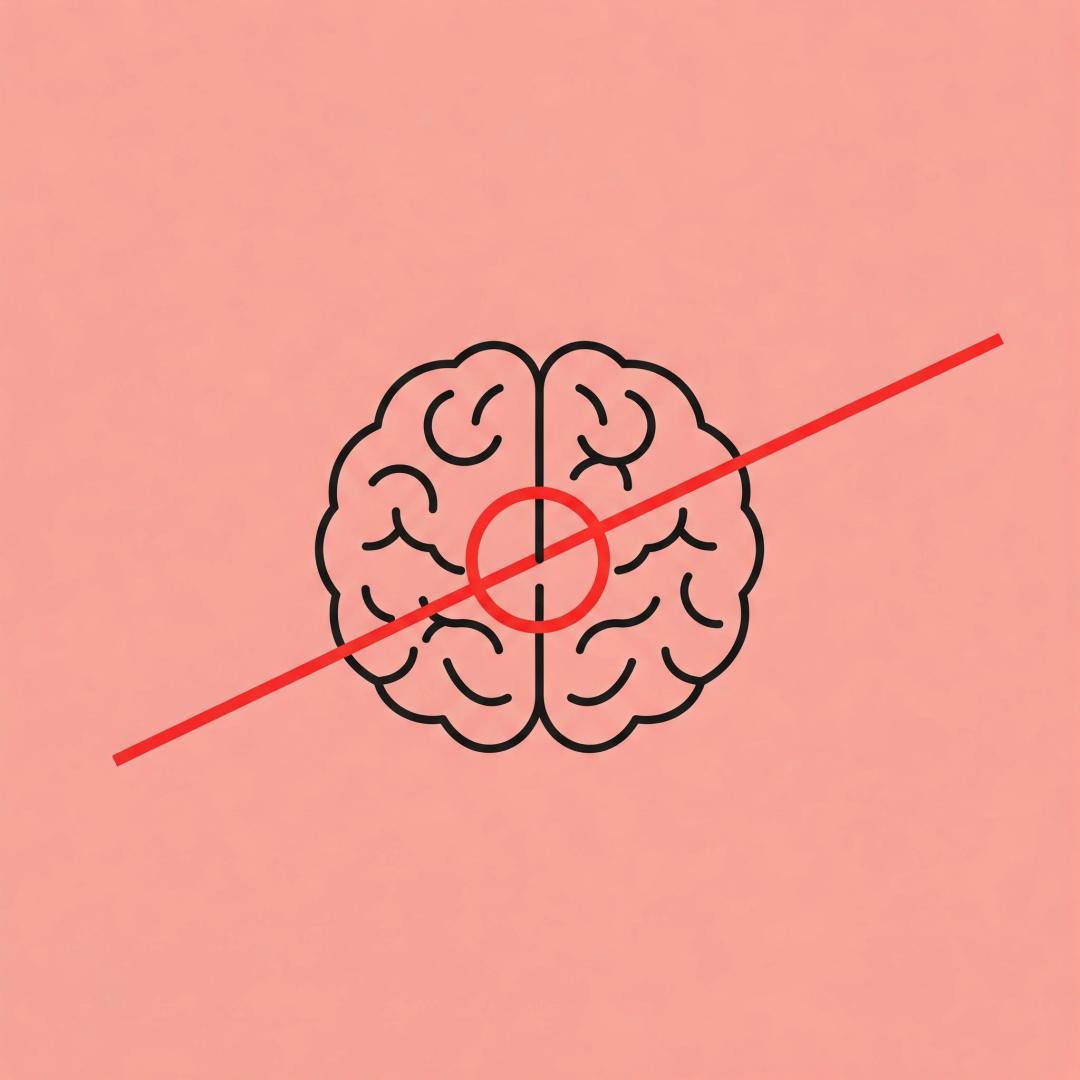
🧠 4. Do a Dopamine Detox (Optional but Powerful)
detox
When you're used to instant gratification (scrolling, snacking, streaming), real work feels boring.
🧪 Dopamine Detox Plan (24–48 hours):
- 🚫 No social media
- 🚫 No YouTube or Netflix
- 🚫 No junk food or video games
Instead:
- ✅ Read physical books
- ✅ Take mindful walks
- ✅ Journal or meditate
- ✅ Have real, in-person conversations
💡 Why it works: It reduces your reliance on artificial dopamine spikes, making focused work feel rewarding again
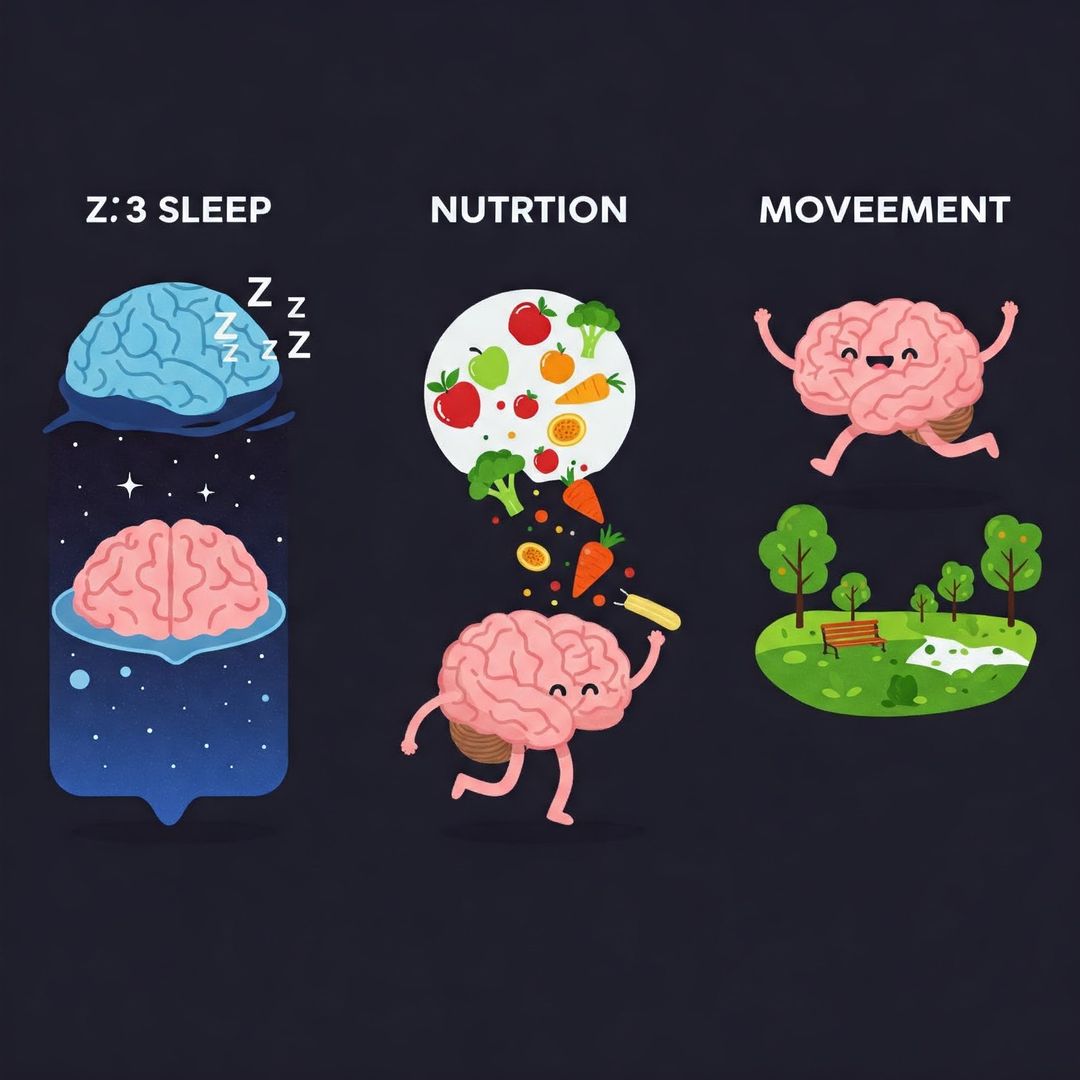
🛏️ 5. Prioritize Sleep, Nutrition & Movement
brain-boosting
😴 Sleep:
- 7–9 hours of quality sleep is essential
- Poor sleep reduces focus, memory, and mood by up to 40%
- Maintain a consistent sleep schedule even on weekends
🥗 Brain-Boosting Nutrition:
- Omega-3s (salmon, flaxseed, walnuts)
- Antioxidants (blueberries, dark chocolate)
- Complex carbs (oats, quinoa) for sustained energy
- Hydration: Even 2% dehydration drops mental performance by 10%
🏃 Movement:
- Just 10 minutes of walking boosts brain function and focus
- Regular exercise increases dopamine and serotonin key chemicals for mental clarity
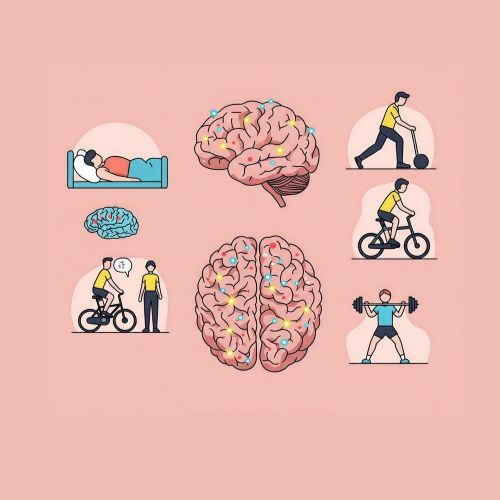
🥗 6. Take Care of Your Body to Help Your Mind
takecare
⏸️ Micro-Rituals That Help:
- Take 5-minute nature breaks (even looking at trees helps!)
- Practice box breathing (inhale 4s → hold 4s → exhale 4s → hold 4s)
- Use lo-fi music or binaural beats to enter flow state
- Declutter your workspace every morning
The “Reset Every Hour” Method:
- At the end of every hour, pause for 1 minute
- Ask: What am I working on now? Am I still aligned with my goal?
- This builds meta-awareness and breaks unconscious drift
🔑 7. Master Digital Minimalism: Reclaim Your Attention
The modern world thrives on constant connectivity, but the cost is fragmented focus and shallow work. Digital minimalism is about intentionally curating your digital life.
How to Implement Digital Minimalism:
- Declutter Notifications: Only keep essential alerts for email, calls, and urgent apps. Turn off all social media pings.
- One Device, One Purpose: Avoid multi-tasking on devices. Use your phone for communication, your computer for work.
- Scheduled Social Media: Limit scrolling to 30 minutes per day or specific time blocks.
- Unsubscribe Ruthlessly: Reduce newsletter clutter, spam emails, and unnecessary alerts.
💡 Pro Tip: Your brain performs better when it knows what to ignore. Less digital noise equals more mental bandwidth for deep work.
🧠 8. Train Your Brain With Mental Workouts
Focus is a skill, and like any skill, it can be trained:
- Meditation & Mindfulness: Just 10–20 minutes a day improves attention, emotional regulation, and working memory.
- Dual N-Back Games & Brain Exercises: Scientifically shown to improve working memory and fluid intelligence.
- Deep Reading: Replace passive scrolling with reading books, research papers, or thought-provoking articles. This strengthens concentration.
Impact: These mental workouts create a “focus muscle” that grows stronger over time.
📊 9. Use Tools & Techniques That Support Focus
Leverage technology without falling prey to distraction:
- Focus Apps: Forest, Focus@Will, and Freedom block distracting apps or websites.
- Task Management: Todoist, Notion, Trello help plan tasks and reduce cognitive load.
- Timers & Analytics: Pomodoro timers or RescueTime help track focus patterns and reveal where attention is leaking.
Tip: Choose tools that simplify your workflow, not complicate it. Your goal is to reduce friction, not add more apps to juggle.
📝 10. Build an Environment That Nurtures Concentration
Your physical and social environment dramatically affects focus:
- Workspace Design: Keep your desk clean, use plants or natural light to reduce mental fatigue.
- Noise Control: Noise-cancelling headphones, ambient sound apps, or white noise machines reduce distractions.
- Social Boundaries: Communicate work hours with colleagues or family. Protect your focus time like a meeting with yourself.
Psychology Hack: Out of sight, out of mind. The fewer visible distractions, the better your focus.
11. The Power of Reflection & Continuous Improvement
Focus is not static; it fluctuates based on energy, mood, and environment. Periodically reflect on your productivity:
- End-of-day reflection: What went well? What broke your focus?
- Weekly review: Adjust strategies, eliminate unnecessary tasks, and double down on high-impact activities.
- Journaling: Track your flow periods, peak focus hours, and what triggers distraction.
💡 Bonus: Reflection turns mistakes into insights and allows you to continuously optimize your attention for peak performance.
🌟 12. Focus and Flow: The Ultimate Productivity Hack
When all these strategies align sleep, nutrition, exercise, mental workouts, digital minimalism, and environment you can achieve flow:
- Flow is a mental state of deep absorption where productivity, creativity, and satisfaction peak.
- During flow, distractions fade, time seems to bend, and high-quality work comes effortlessly.
Pro Tip: Identify your peak hours and schedule your most challenging tasks then. Protect this time at all costs.
⚡ Conclusion: Make Focus Your Superpower
focus is one of the most valuable skills you can develop. In a world that’s louder, faster, and more distracting than ever, those who learn to control their attention will lead in work, life, and creativity.
Small steps create big shifts. Start with one strategy today, and build from there.
Subscribe to our Newsletter
Provide your email to get email notification when we launch new products or publish new articles