
Strait of Hormuz Crisis: The Chokepoint That Could Reshape the Global Economy

StraitOfHormuz
GlobalCrisis
OilPrices
WorldEconomy
Geopolitics
MiddleEastWar
EnergyCrisis
A complete guide to the Strait of Hormuz crisis in 2026. explore its history, geopolitical tensions, oil trade importance, and how current conflicts are impacting the global economy.
Introduction: Why the World Is Watching Hormuz Right Now
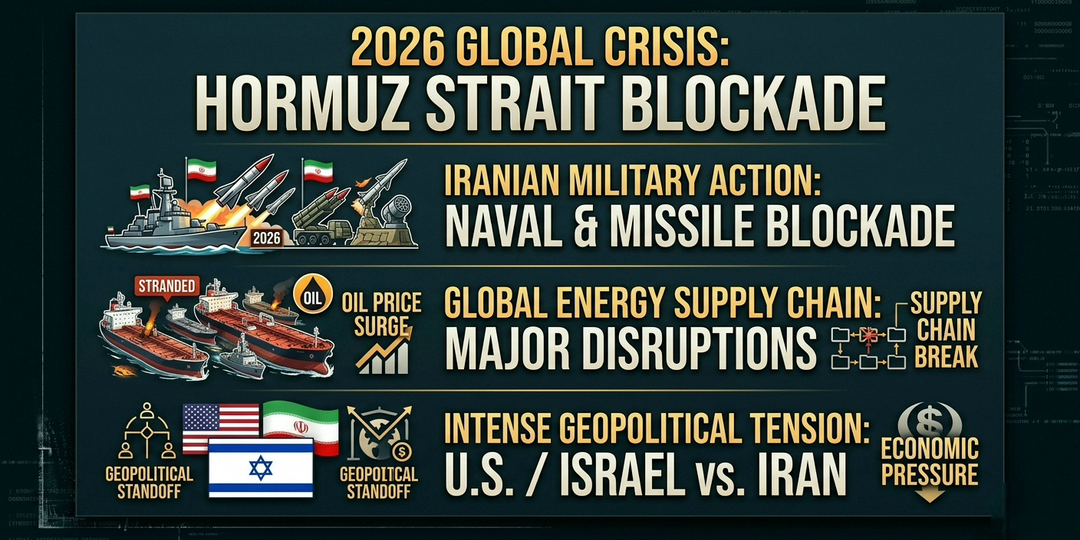
In 2026, the Strait of Hormuz is no longer just a narrow waterway it has become the center of a global crisis. This tiny stretch of sea is currently influencing oil prices, international relations, and even the future of global trade.
Recent developments show that the strait is partially or nearly closed due to war tensions between Iran, the U.S., and Israel, creating one of the most dangerous geopolitical situations in decades.
What Is the Strait of Hormuz?
strait of hormuz
hormuz
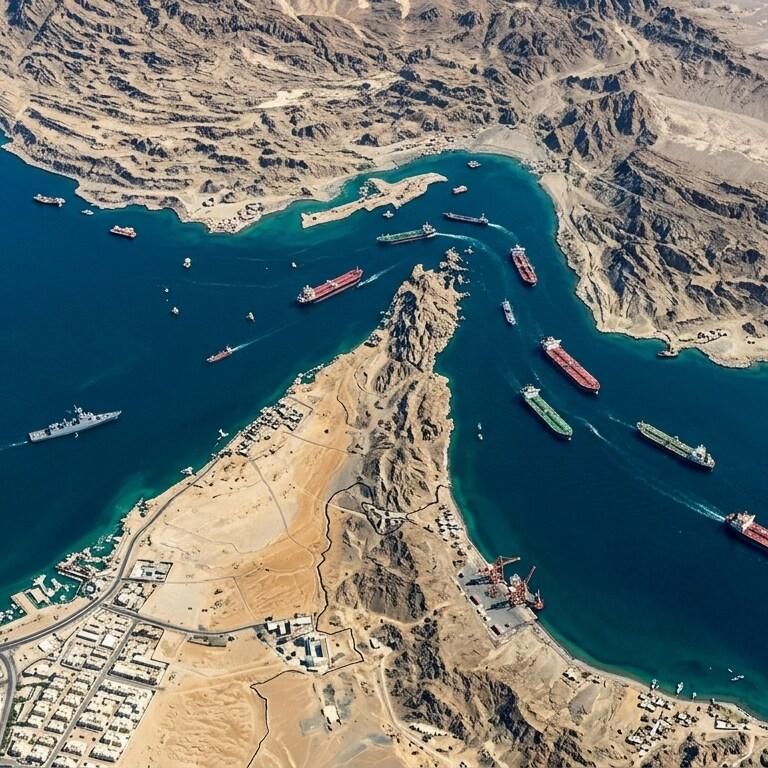
The Strait of Hormuz is a narrow passage connecting the Persian Gulf to the Arabian Sea. It lies between Iran and Oman and is only about 33 km wide at its narrowest point.
But don’t let its size fool you it is the most important oil transit route in the world.
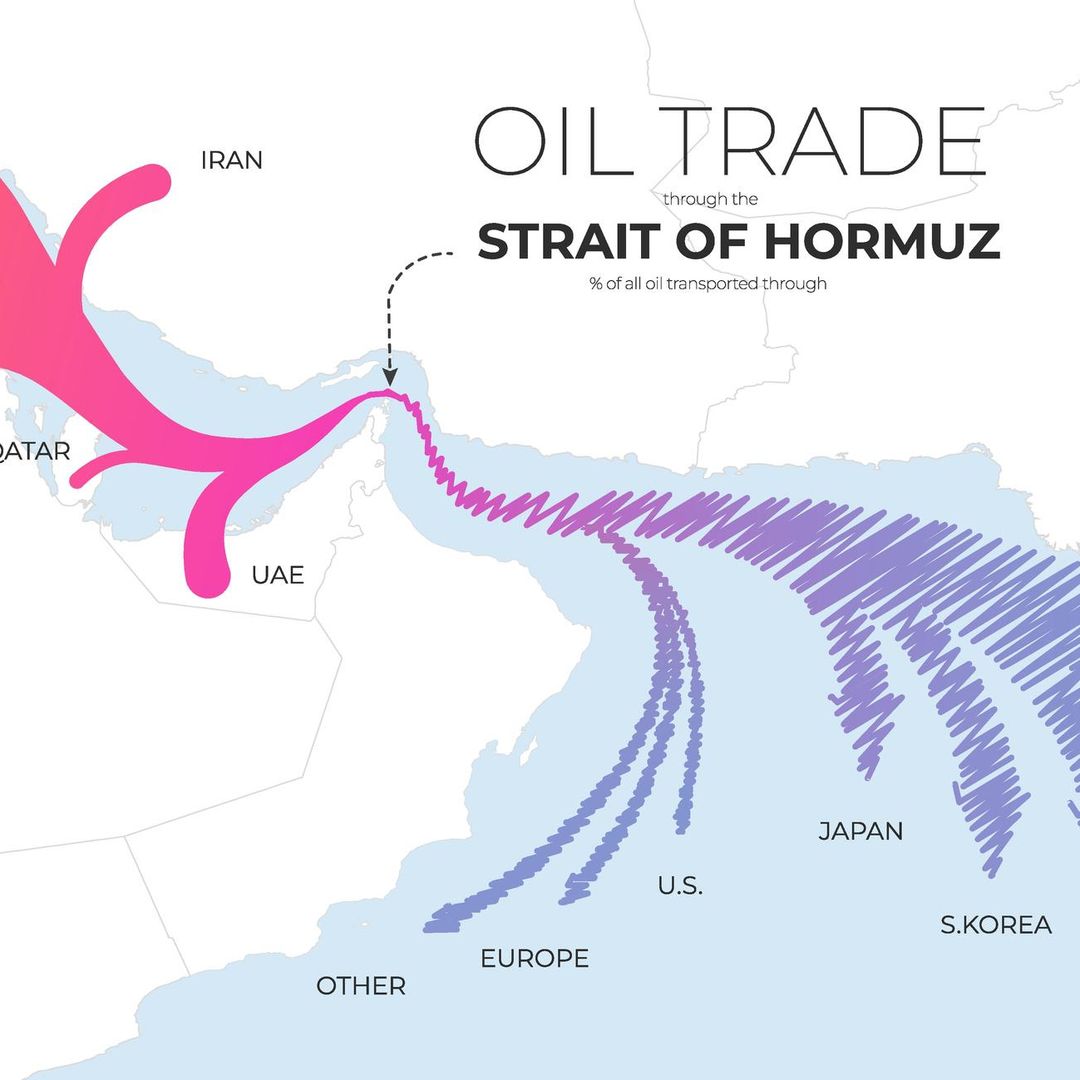
👉 Around 20–25% of global oil supply passes through this single route.
👉 For countries like India, 40% of crude oil imports depend on it.
🏛️ A Brief History of the Strait of Hormuz
The importance of the Strait didn’t start today it has been a strategic hotspot for decades.
📜 Key Historical Moments:
- 1980s (Iran-Iraq War) – Tanker wars disrupted shipping
- 2000s–2020s – Repeated tensions between Iran and the U.S.
- Threats of closure used as political pressure tools
- Became a symbol of energy power and geopolitical leverage
👉 Over time, Hormuz turned into a “global economic pressure point” whoever controls it holds massive influence.
The current crisis began in February 2026, when a major war broke out involving Iran, the U.S., and Israel.
Key Developments:
- Iran blocked or restricted shipping in the strait
- Missile, drone, and naval attacks on vessels
- Thousands of ships stranded
- Global oil transport disrupted
👉 At one point, shipping dropped from ~140 ships/day to near zero.
👉 Over 2,000 ships and 20,000 crew members were stuck in the region
Why Is Iran Blocking the Strait?
Iran is using the Strait as a strategic weapon.
🎯 Reasons:
- Response to U.S.–Israel military actions
- To pressure global powers economically
- To gain leverage in negotiations
👉 Experts say the Strait is now being used as a “geopolitical bargaining chip”
Why the Strait of Hormuz Is So Powerful
ships
Hormuz is not just about oil.
🚢 Other Critical Flows:
- Liquefied Natural Gas (LNG)
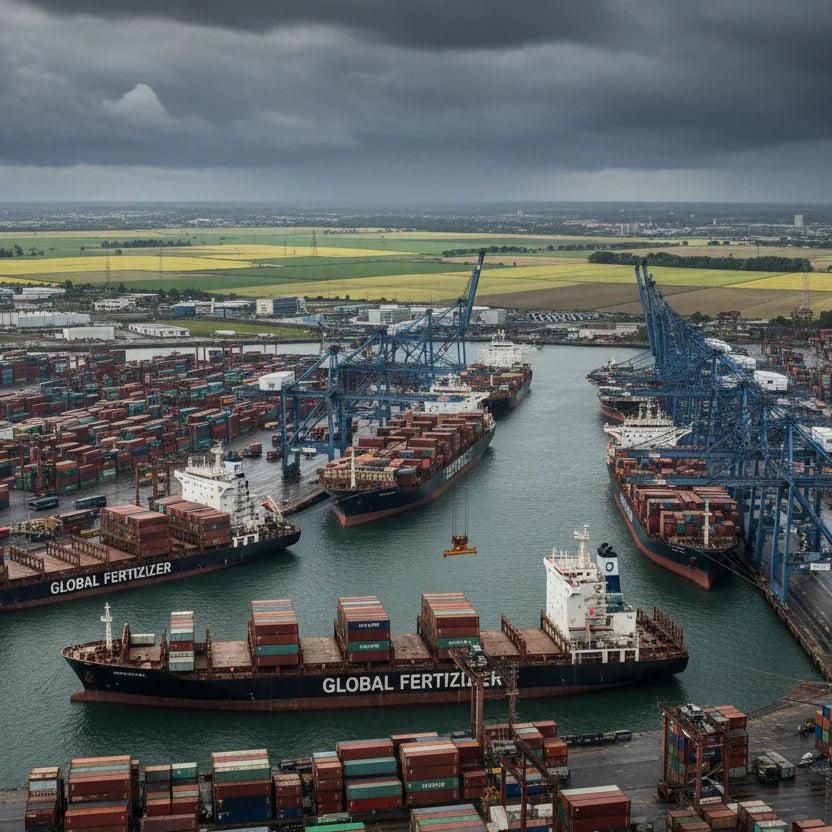
- Fertilizers
- Petrochemicals
- Industrial raw materials
When shipments stop:
👉 Agriculture suffers
👉 Manufacturing slows
👉 Supply chains break
The ripple effect spreads across continents.
What Could Happen Next?
Possible Scenarios:
1. Diplomatic Resolution
- Peace talks reopen shipping
- Oil prices stabilize
2. Partial Control
- Military escorts for ships
- High risk & insurance costs
3. Full Escalation
- Complete blockade
- Severe global recession
👉 Experts warn the world is not fully prepared for a long-term closure.
🛢️ Oil: The Lifeblood at Risk
To understand the crisis, you must understand oil.
The Numbers That Matter:
- ~20–25% of global oil passes through Hormuz
- Major exporters: Saudi Arabia, Iraq, UAE, Kuwait
- Key importers: India, China, Japan, Europe
This means:
👉 A disruption in Hormuz = a disruption in global energy supply chains
Conclusion: A Small Strait, A Massive Impact
The Strait of Hormuz is not just a location it is a symbol of global interdependence and vulnerability.
In 2026, it stands at the center of:
- Economic uncertainty
- Military tension
- Geopolitical transformation
And it reminds us of one powerful idea:
“In a connected world, even the narrowest passage can shape the widest consequences.”
Subscribe to our Newsletter
Provide your email to get email notification when we launch new products or publish new articles